Solution · Insurance · auto, property, health

Every claim checked automatically, and a suspicious one sent to an investigator

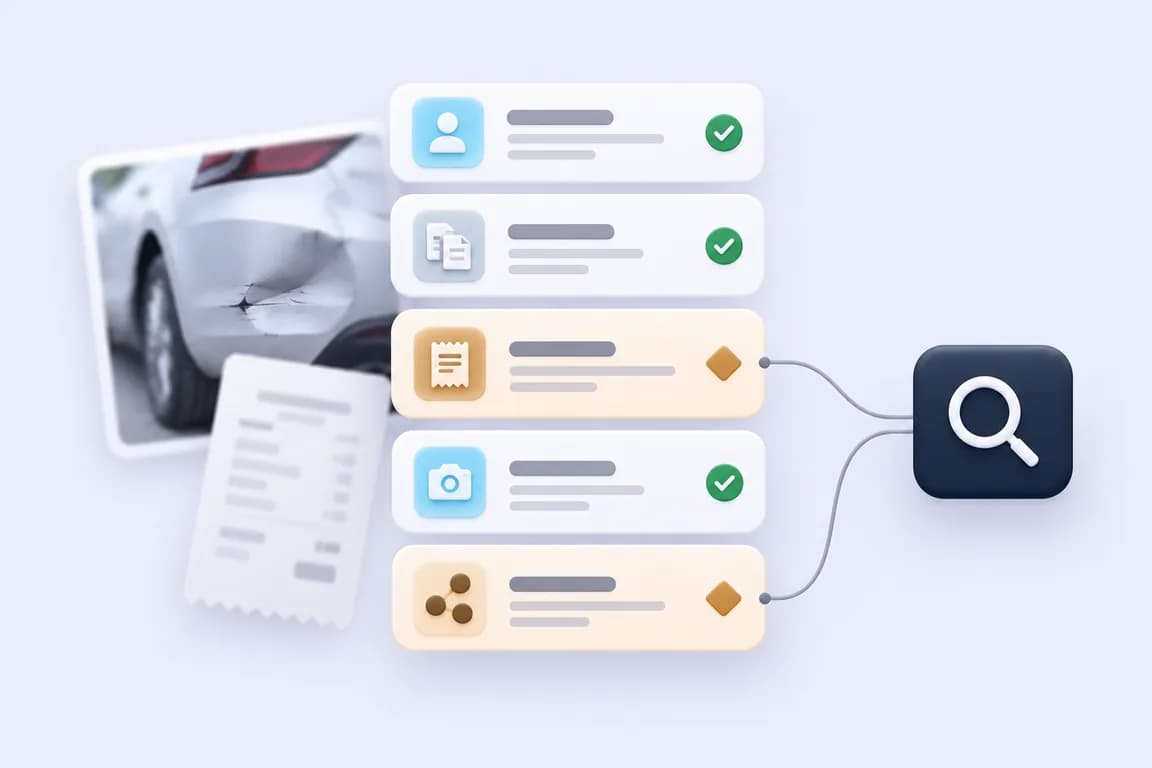
We build this system to order for insurers. Ordinary software checks each new claim against clear rules, and AI understands the documents and damage photos, weighs what the checks found and chooses where the claim goes. Claims with warning signs go to an investigator, and only a person can deny a claim

Who works with it

Claims adjuster

The insurer’s employee who settles a claim and approves the payment

Gets claims above the limit and claims AI could not read, with what each check found

Investigator

Works in the special investigations unit, the insurer’s team that looks into suspected fraud

Gets each claim with warning signs, along with every reason and the document or photo behind it, and decides what happens next

Head of claims

Runs the claims department

Sets the routing rules and the limit above which an adjuster checks every claim by hand. Sees where each claim went and why

What comes in

What the system reads for each claim, and what it writes back

Claims systemthe new claimPolicy, customerdates and contactsDamage photosfrom the customerDocumentsinvoices, estimatesClaims historyearlier claimsThe checksread the data, change none of itBack to the claims systemonly the route and the reasonsAIAIClaims systemthe new claimPolicy, customerdates and contactsDamage photosfrom the customerDocumentsinvoices, estimatesClaims historyearlier claimsThe checksread the data, change none of itBack to the claims systemonly the route and the reasonsAIAI
Three ways out

The path of one claim

New claimfrom the claims system
AIFive checksrules and AI
  1. Goes on as usualno signs, under the limit
  2. Claims adjusterabove the limit, or AI unsurea person decides
  3. Investigatorwarning signs, with reasonsa person decides
Example claims

Pick a claim and see what each check finds

Made-up claims, picked to show each check, so most of them have warning signs

Pick an example claim

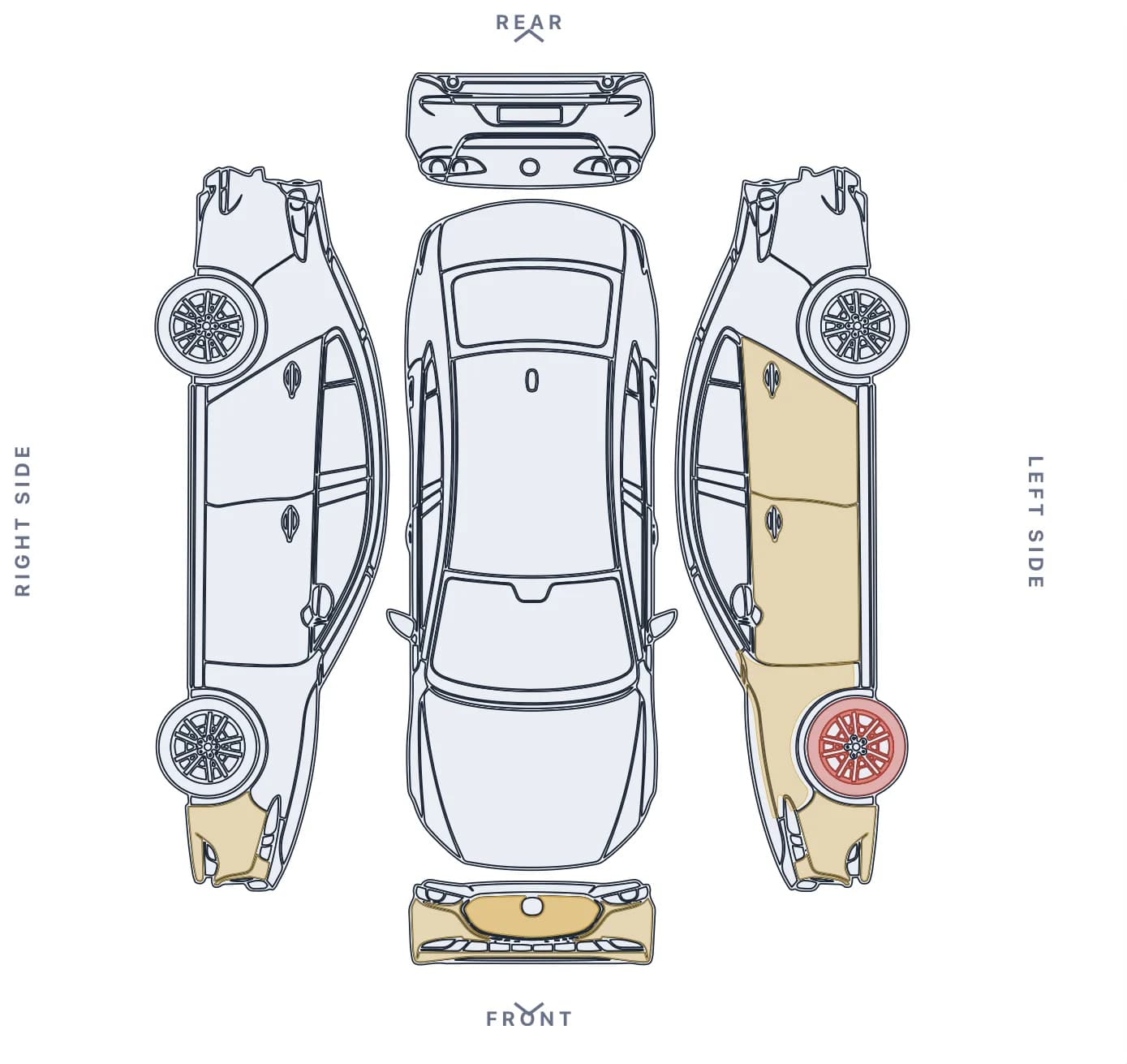
Auto Front bumper and hood damaged in a collision

  1. Customer history Rule No warning sign

    No rule matched the policy dates or the customer’s past claims

  2. Earlier claims Rule Warning sign

    The same car, by its VIN, is in an open claim under another policy, filed 3 weeks earlier

    Attached: That claim and this one, side by side

  3. Documents AI No warning sign

    Amounts, dates and lines agree, and nothing looks edited

  4. Damage photos AI Warning sign

    Two of the photos match photos in that claim

    Attached: Both sets of photos, side by side

  5. Links across claims AI No warning sign

    No repair shop, witness or phone turns up across claims more often than usual

Where the claim goes AITo an investigator

The investigator gets each reason with the document or photo behind it, and decides what happens next

Reasons
  • Earlier claims: The same car, by its VIN, is in an open claim under another policy, filed 3 weeks earlier
  • Damage photos: Two of the photos match photos in that claim

Rule Amount: under the insurer’s limit

a person decides

Software, AI and a person

Who does which part of the work

Software and AI check every new claim. A person gets the claims that need one

Rule

Ordinary software

Monotonous work with clear rules

  • Pulls each new claim from the claims system, with the policy, the customer’s history, documents and photos
  • Finds the same car (VIN), address, phone or bank account in other claims, and a claim filed again under another policy
  • Flags a loss dated soon after the policy started
  • Compares the amount with the insurer’s limit
  • Writes the route and the reasons back to the claims system
AI

AI: understand, weigh and choose

The small decisions on every claim

  • Reads repair-shop invoices, estimates and police reports, and finds amounts, dates or lines that do not add up or look edited
  • Compares the damage photos with the description and with photos from earlier claims
  • Weighs whether a repair shop, witness or phone turns up across claims more often than usual
  • Weighs what all the checks found and chooses the route
  • Sends a claim to a person when it cannot read a document or a photo
a person decides

A person

Every denial and every investigation

  • The investigator decides each claim with warning signs, with AI’s reasons and the evidence
  • The claims adjuster takes claims above the limit and claims AI could not read
  • Complex claims and appeals always go to a person
  • The head of claims sets the limit and the rules
  • Only a person can deny a claim
How a project starts

Four stages. After each one, you decide whether to go on

First on your archived claims, then on new ones

  1. Usually firstDiscovery and specification
    In
    How claims move today, the data you keep and the programs you use
    You get
    A written specification: which checks come first, what data they need, what it will cost and in what order. The document is yours whether or not we build it
  2. ThenTest on archived claims
    In
    Settled claims from your archive, including confirmed fraud if you keep a record of it
    You get
    The claims the checks would have sent to an investigator, with the reasons, next to what your team decided at the time
  3. ThenPilot on new claims
    In
    New claims from your claims system
    You get
    A route and the reasons for each claim. A person confirms each route while the limit and the rules are being set
  4. When you decideRollout
    In
    The lines of insurance you choose
    You get
    Every new claim on those lines goes through the checks. Your team changes the limit and the rules
Six questions we ask first
  1. How many claims do you handle a day? We plan the system and the pilot around it
  2. What do you record about each customer? Earlier claims are matched by VIN, address, phone and bank account
  3. Do you keep a record of confirmed fraud? The test on archived claims compares the findings with it
  4. Are damage photos stored with each claim? The photo check compares them with the description and with earlier claims
  5. Which documents come with a claim? The document check has to know what to expect for each line of insurance
  6. Which software do you manage claims in: a claims system, a CRM or an ERP? The pilot connects to it, and the route and the reasons are written back there
In our cases

Parts of this we have built for clients

Neither looks for fraud, and both run for clients today
Tell us how claims are checked today

A 30-minute call. We will say which of the five checks your data supports and where a project would start