Operations
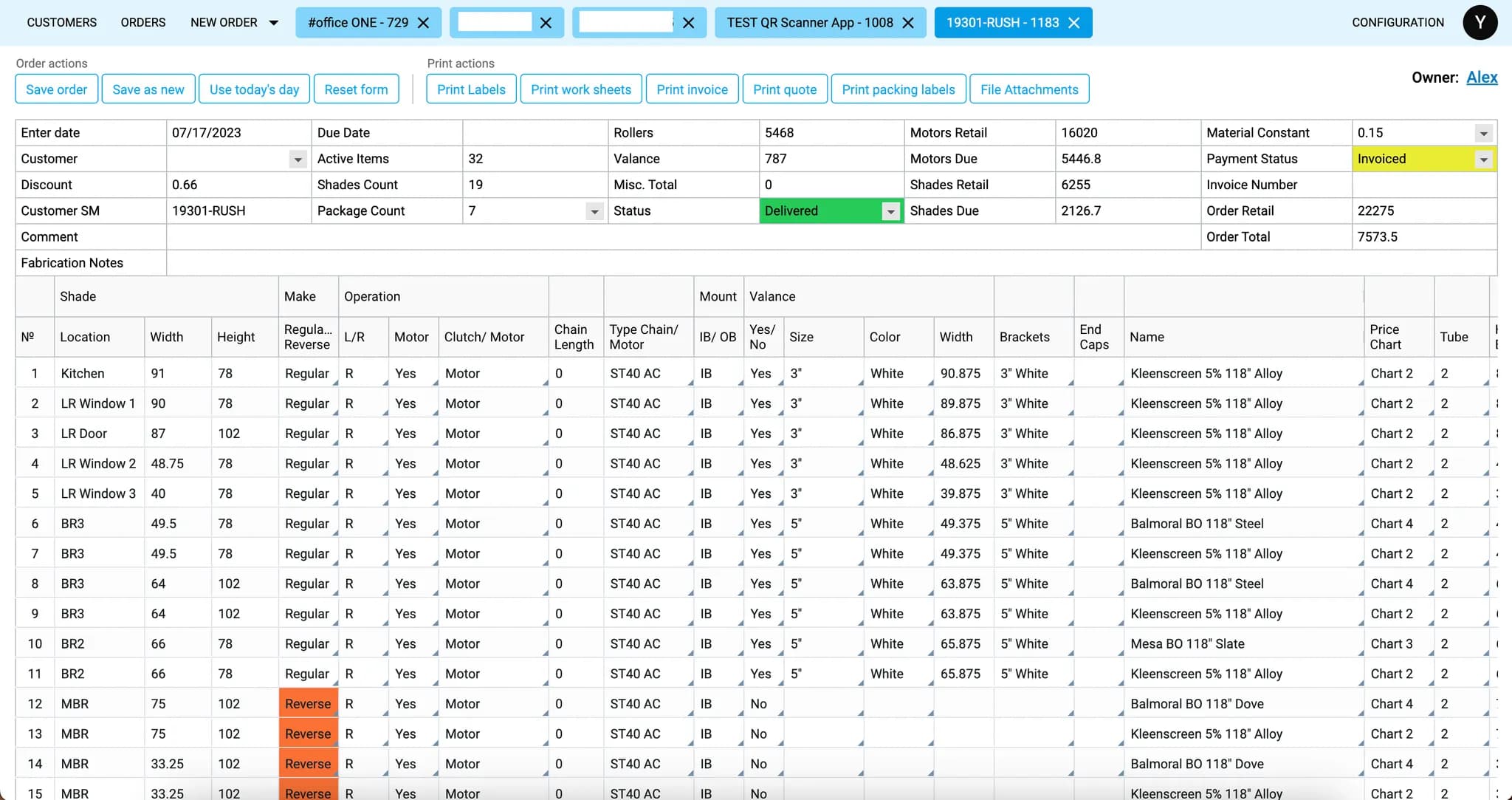
An order is entered once, checked against your rules, and passed to production and scheduling without retyping.
Software takes over the small, repetitive decisions
An order is entered once, checked against your rules, and passed to production and scheduling without retyping.
Leads land in the CRM with their details filled in, and quotes are built from your price list.
Questions are sorted and routed. Routine ones get an answer; the rest reach a person with the history attached.
Approvals, new-hire paperwork and purchasing move through set steps instead of email threads.
Invoices, contracts and forms are read into fields, checked and filed. Anything unclear goes to a person.
Dashboards read your systems directly, so the numbers are current instead of rebuilt at month end.
Invoices go out, bank transactions are matched to them, and unpaid ones are followed up. Exceptions go to review.
A status change notifies the people who need it, without anyone writing the update.
Software for how your company actually takes orders, prices them, schedules the work and gets paid.
Your CRM, accounting, ERP and messaging tools pass data to each other, so nobody copies it by hand.
Programs that read an email, a document or a call and do the next step in your tools, within rules you set.
Rule-based steps for the work that is done the same way every time.
Web and mobile apps, customer portals and back-office tools.
One screen with the numbers, the exceptions and what is waiting for your decision.
Answers to the team’s questions from the company’s own documents, each with a link to its source.
A prototype you built with AI and outgrew: we review it, fix it and finish it.
A 30-minute call about one process in your business. We will say where automation fits and where it does not